Find your treatment
Tap a service to open its instructions. Preparation details are available within each guide where provided.
Treatment guidance
Skin careChemical PeelsView guide
Expect a gentle recovery period that depends on the type and depth of peel. Some peels cause visible flaking; others do not.
What to expect
- Depending on the peel, flaking may begin around days 3–5 and continue for several days.
- Treated skin may feel tight, dry or more sensitive while it heals.
Care for your skin
- Use only the gentle cleanser and moisturizer recommended by your clinician.
- Use broad-spectrum SPF 30 or higher and avoid direct sun while healing.
- Keep skin hydrated, and allow peeling skin to shed naturally.
What to avoid
- Do not pick or pull peeling skin, scrub or exfoliate while healing.
- Avoid retinoids and strong exfoliating acids until your clinician says it is safe to restart (the clinic guide suggests about 10 days).
- Avoid waxing, electrolysis or laser hair removal over the treated area until cleared; the clinic guide suggests at least one week.
- Avoid prolonged heat, saunas, hot tubs and strenuous workouts during early recovery; follow your clinician's timeline.
- Avoid additional chemical peels until your clinician advises otherwise.
When to seek help
Contact the clinic if you have significant blistering, worsening pain, spreading redness, or any reaction that feels unusual.
Call the clinic: (916) 677-9401Before your appointment Preparation instructions
- Plan ahead for possible visible peeling and time away from important events.
- Ask your clinician if you should pause retinoids 7–10 days and strong AHA/BHA exfoliants 5 days before the peel.
- The clinic guide recommends avoiding waxing, electrolysis and laser hair removal over the treatment area for 7 days before the appointment; confirm with your clinician.
- Treatment choice and pigment-preparation plans should be determined individually by the clinician, especially for patients prone to post-inflammatory hyperpigmentation.
InjectablesLip & Dermal FillerView guide
Swelling, tenderness and bruising can occur after filler. The appearance immediately after treatment is not the final result.
What to expect
- Swelling and bruising may change the appearance over the first several days.
- The appearance may take roughly 5–14 days to settle.
- An individual follow-up and any additional treatment are determined with your injector.
Care for the area
- Keep the treatment area clean and avoid unnecessary pressure.
- If your injector approves it, a cool compress wrapped in a clean cloth can help with temporary discomfort.
- Use only products that your injector approves on the treated area.
What to avoid
- Do not massage, squeeze or attempt to move filler unless your injector specifically instructs you to.
- Avoid lip cosmetics for 24 hours following lip filler unless your injector advises otherwise.
- Avoid strenuous exercise and prolonged heat for the early recovery period described by your injector (the clinic guide suggests 48 hours).
- Avoid activities that put sustained pressure on newly treated lips as your injector directs.
When to seek help
Urgent: severe or increasing pain, pale/gray/dusky skin, mottled discoloration, or vision changes after filler need immediate medical assessment. Call emergency services for breathing difficulty.
Call the clinic: (916) 677-9401Before your appointment Preparation instructions
- Arrive with clean skin or lips and tell your injector about relevant allergies, medicines, supplements and previous filler.
- Eat before your visit and arrive without lip makeup, as recommended by the clinic.
- Do not stop prescription medicines, blood thinners, pain relievers or start antihistamines unless the prescribing clinician or injector advises you to.
Laser treatmentsLaser ResurfacingView guide
Recovery varies substantially with the laser used and treatment depth. Follow your clinician’s exact cleansing, spray and ointment schedule.
First 24 hours
- Redness, warmth and swelling may occur after treatment.
- Use the specific soothing or cleansing products supplied by your provider; do not substitute products on your own.
- Avoid rubbing, scratching or picking the treated skin.
Following days
- Depending on the treatment, crusting, peeling and flaking may develop before the skin settles.
- Cleanse and moisturize only according to the procedure-specific protocol you were given.
- Protect healing skin from sun exposure and use sunscreen when your clinician says it is appropriate.
What to avoid
- Do not pick crusts or peeling skin.
- Avoid exfoliation, retinoids, strong acids and other active products until your provider clears them.
- Avoid swimming, hot tubs, saunas and excessive sweating while skin is healing, according to your individualized timeline.
- Do not apply makeup until treated skin has healed and your provider says it is safe.
- Do not schedule waxing, electrolysis or additional laser treatment over the area until cleared.
When to seek help
Call the clinic promptly for increasing pain, fever, pus, spreading redness, unusual blistering, or healing that is getting worse rather than better.
Call the clinic: (916) 677-9401Before your appointment Preparation instructions
- Tell your clinician about medications, recent sun exposure, cold sores, skin conditions and any prior pigment changes.
- Ask the treating clinician whether to pause retinoids 10–14 days and strong exfoliating acids 5 days before treatment.
- Avoid nearby waxing, electrolysis or other hair-removal procedures as advised by your provider.
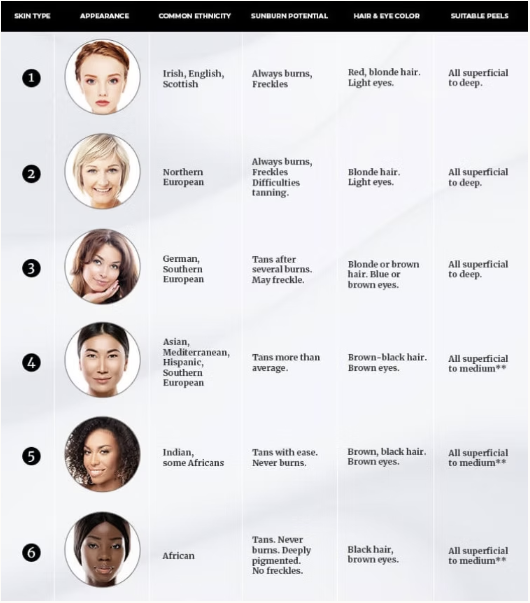
- Skin type and pigment preparation are assessed by your clinician, not determined from a chart alone.
Skin renewalMicroneedlingView guide
After microneedling, treated skin may feel warm, tight, dry or sensitive. Redness can resemble a mild sunburn.
First 24–48 hours
- Keep the treatment area clean and follow the cleanser and moisturizer instructions given at your visit.
- Avoid makeup for at least 24 hours unless your clinician instructs otherwise.
- Avoid strenuous exercise, steam rooms and saunas during early recovery, especially while skin is red or sensitive.
Next several days
- Protect your skin from direct sun and use broad-spectrum SPF 30+ once your treating clinician says it is appropriate.
- Do not pick, scratch or forcibly remove peeling skin.
- Avoid abrasive exfoliation and active products such as retinoids and exfoliating acids until the skin has recovered; the clinic guide suggests at least 72 hours for exfoliants.
What to expect
- Mild redness, dryness and sensitivity may occur during the first few days.
- Your clinician will advise when regular skin products, other procedures and future sessions can safely resume.
When to seek help
Contact the clinic for worsening redness, heat, drainage, significant pain, fever, or an unexpected reaction.
Call the clinic: (916) 677-9401Before your appointment Preparation instructions
- Arrive with clean skin free of makeup, perfume, lotion and sunscreen when instructed.
- Tell your clinician about medications, recent procedures, sun exposure, cold sores and medical conditions.
- Ask whether to avoid strong topical products and waxing or depilatories for 5–7 days before treatment; your clinician should confirm the timing.
- Do not discontinue prescribed medicines—including isotretinoin, anticoagulants or anti-inflammatory drugs—without speaking to the appropriate prescribing clinician.
InjectablesTox / Wrinkle RelaxersView guide
Mild tenderness, small injection-site bumps or bruising can occur. Full effects generally develop over the days after treatment.
Immediately after treatment
- Avoid rubbing, pressing or massaging treated areas.
- Follow your injector’s instructions on makeup, headwear and activity during the first several hours.
- Follow your injector’s guidance on posture; the supplied protocol advises staying upright for four hours.
First 24–48 hours
- Avoid strenuous exercise, excessive heat, saunas and alcohol for 24 hours, as directed by the clinic.
- Avoid facials or other treatments that apply pressure to the injected areas until the injector approves them.
- Avoid applying aggressive exfoliating products to irritated injection sites.
What to expect
- Small bumps at injection sites often settle quickly; minor bruising can last longer.
- Effects may begin within 3–5 days and become more apparent by 10–14 days.
- Discuss follow-up timing with the injector rather than judging the outcome on treatment day.
When to seek help
Call the clinic for concerning drooping, marked swelling or unexpected symptoms. Trouble breathing, speaking or swallowing requires emergency care.
Call the clinic: (916) 677-9401Laser treatmentsLaser Hair RemovalView guide
Mild redness, warmth or swelling around hair follicles may occur and usually settles shortly after treatment.
Immediately after treatment
- Treated skin may feel like a mild sunburn.
- Use a gentle, fragrance-free moisturizer or soothing aloe only if approved by your clinician.
- Avoid scratching and allow irritated skin to settle.
First 24–48 hours
- Avoid hot showers, saunas, steam rooms, hot tubs and strenuous exercise that causes heavy sweating.
- Avoid irritating products such as retinoids, exfoliating acids or harsh scrubs on the treated area.
- Avoid fragrance or deodorant if they cause irritation in the treated area.
Between sessions
- Avoid direct sun and use SPF 30+ on exposed treated areas.
- Treated hairs may shed over the next 1–3 weeks; do not pull them out.
- Shaving is generally allowed between sessions, but avoid waxing, tweezing and depilatory methods that remove the root.
- Gentle exfoliation may be allowed after about 5–7 days, but only once irritation has resolved and your clinician approves.
- Future treatment intervals vary by area and clinician recommendation; the clinic guide notes commonly 4–6 weeks.
When to seek help
Contact the clinic for blisters, severe or prolonged swelling, spreading redness, significant pain or any unexpected reaction.
Call the clinic: (916) 677-9401